
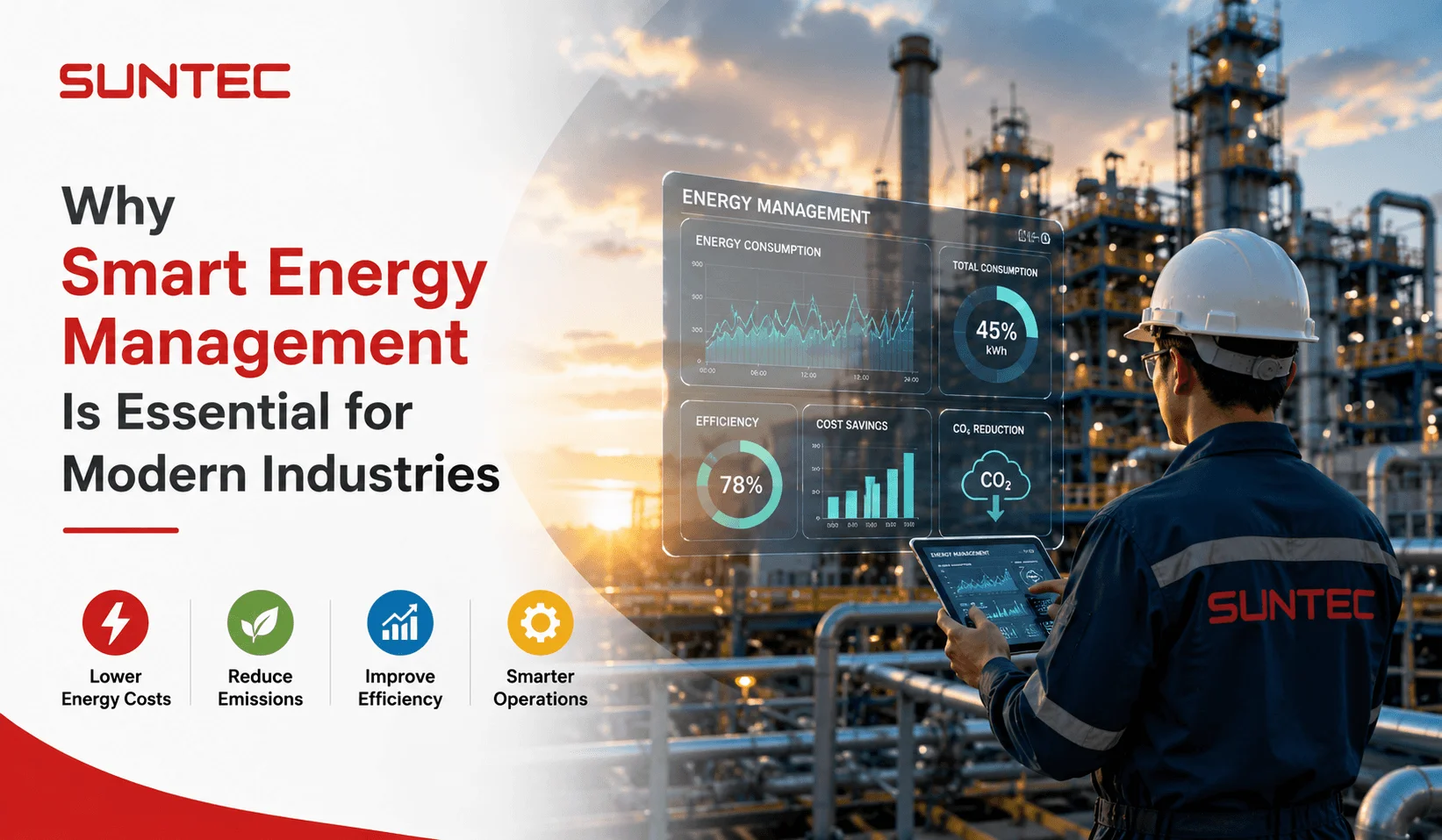
Modern industries operate in an environment where efficiency, sustainability, and cost control are critical to long-term success. As energy prices continue to fluctuate and environmental expectations increase, organizations are focusing on smarter ways to manage their resources. Smart energy management combines technology, monitoring systems, and optimized equipment usage to improve operational performance while reducing waste. Equipment such as Hot Water Boilers plays a significant role in industrial processes, making energy optimization a key factor in achieving sustainable growth.
Understanding Smart Energy Management
Smart energy management refers to the strategic monitoring, control, and optimization of energy consumption throughout industrial operations. Instead of relying on traditional methods, industries now use data-driven systems to identify inefficiencies and improve resource utilization.
The primary objectives include:
- Reducing energy consumption
- Lowering operational costs
- Improving equipment performance
- Enhancing sustainability efforts
- Supporting regulatory compliance
By adopting a proactive approach, organizations can make informed decisions that contribute to greater productivity and environmental responsibility.
The Role of Advanced Heating Technologies
Heating systems account for a substantial portion of industrial energy usage. Selecting efficient equipment is essential for maintaining performance while minimizing energy expenditure. Technologies such as electric boilers for hot water are increasingly being integrated into industrial facilities due to their ability to provide reliable heating with improved operational efficiency.
Modern heating solutions offer several advantages:
- Precise temperature control
- Reduced energy losses
- Consistent operational performance
- Simplified maintenance requirements
- Improved energy utilization
These benefits help organizations achieve greater efficiency across a wide range of industrial applications.
Data-Driven Monitoring and Energy Optimization
One of the most valuable aspects of smart energy management is the ability to collect and analyze real-time operational data. Advanced monitoring systems provide insights into energy consumption patterns, allowing businesses to identify areas for improvement.
Benefits of Smart Monitoring Systems
| Feature | Business Benefit |
| Real-time data collection | Faster decision-making |
| Energy usage tracking | Improved efficiency planning |
| Automated alerts | Early issue detection |
| Predictive maintenance | Reduced downtime |
| Performance analytics | Better resource management |
These capabilities help industries maintain optimal performance while reducing unnecessary energy consumption.
Improving Sustainability Through Efficient Equipment
Sustainability has become a major priority for manufacturers and industrial operators. Efficient equipment contributes significantly to environmental goals by reducing fuel usage and minimizing emissions. Modern Hot Water Boilers in India are designed to support industrial heating requirements while helping facilities improve energy performance.
Smart energy management enhances sustainability by:
- Reducing energy waste
- Supporting lower emissions
- Extending equipment lifespan
- Improving operational consistency
- Encouraging responsible resource use
As industries strive to balance productivity with environmental responsibility, efficient heating systems remain a vital component of sustainable operations.
Future Trends in Industrial Energy Management
Technological innovation continues to reshape how industries manage energy resources. Emerging solutions are making it easier for organizations to achieve efficiency targets while maintaining operational reliability.
Important trends include:
- Artificial intelligence for energy optimization
- Automated process control systems
- Digital energy monitoring platforms
- Greater integration of renewable energy
- Advanced predictive maintenance tools
These developments are creating opportunities for businesses to enhance efficiency, reduce costs, and strengthen sustainability initiatives. Organizations that embrace these technologies are better positioned to adapt to future industry demands.
Read More:
Looking to understand how efficient heat management contributes to greener industrial operations? Read our article on How Thermal Engineering Supports Sustainable Manufacturing Growth to discover how advanced thermal engineering, waste heat recovery, and modern combustion technologies help manufacturers improve energy efficiency, reduce emissions, and achieve long-term sustainability goals.
Conclusion
Smart energy management has become essential for modern industries seeking to improve efficiency, reduce operational costs, and meet sustainability objectives. Through advanced monitoring systems, data-driven decision-making, and efficient equipment, organizations can optimize resource utilization while maintaining productivity. As industrial operations continue to evolve, solutions related to industrial hot water boilers will remain important in supporting energy-efficient processes. Companies such as SunTecenergy reflect the growing emphasis on technologies that contribute to smarter and more sustainable industrial energy management.
Frequently Asked Questions
1. What is smart energy management?
Smart energy management is the process of monitoring, analyzing, and optimizing energy usage through advanced technologies and data-driven decision-making.
2. Why is energy efficiency important for industries?
Energy efficiency helps reduce operating costs, improve productivity, lower environmental impact, and support long-term business sustainability.
3. How does real-time monitoring improve energy performance?
Real-time monitoring provides immediate insights into energy consumption patterns, enabling faster identification and correction of inefficiencies.
4. Can smart energy management reduce maintenance costs?
Yes. Predictive maintenance and performance monitoring help identify issues before they become major problems, reducing repair expenses and downtime.
5. What technologies support modern energy management strategies?
Technologies such as automated controls, intelligent monitoring systems, predictive analytics, and advanced heating equipment play important roles in improving energy efficiency.



No comment