
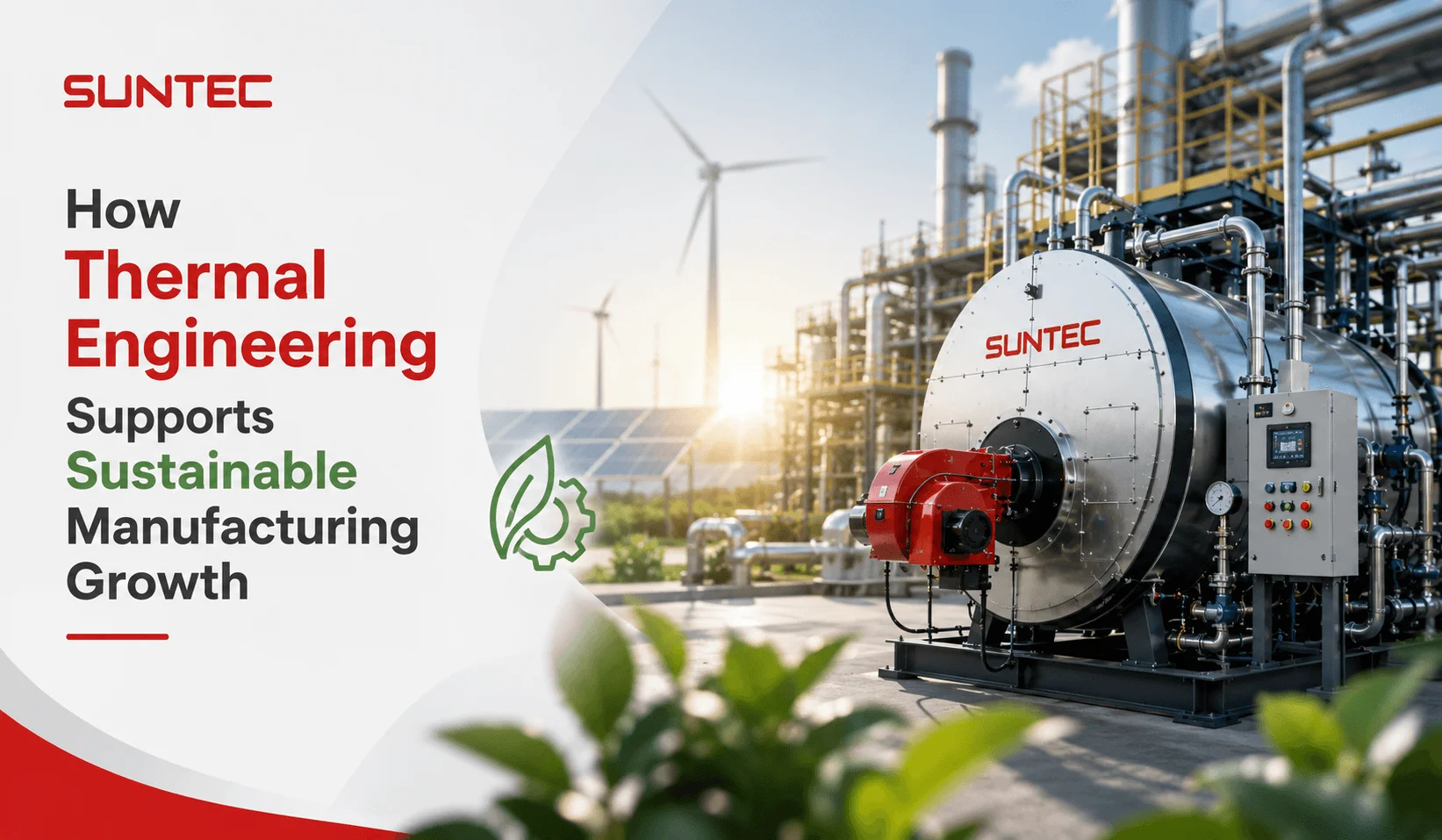
Manufacturing industries are under increasing pressure to balance productivity with environmental responsibility. As energy consumption remains one of the largest operational challenges, thermal engineering has emerged as a critical discipline for achieving sustainable growth. By optimizing heat generation, transfer, and utilization processes, manufacturers can reduce energy waste, improve efficiency, and lower environmental impact. Modern thermal systems, including Gas Burners in India, are helping industries adopt more sustainable production practices while maintaining consistent operational performance.
The Importance of Thermal Engineering in Modern Manufacturing
Thermal engineering focuses on the efficient management of heat energy across industrial processes. Manufacturing facilities often rely on thermal systems for activities such as drying, melting, heating, curing, and steam generation. Poor heat management can lead to excessive fuel consumption, increased costs, and higher emissions.
Effective thermal engineering solutions help organizations:
- Improve energy utilization
- Minimize operational losses
- Enhance process reliability
- Reduce environmental impact
- Support long-term sustainability goals
As industries continue to modernize, efficient thermal management has become a fundamental component of responsible manufacturing strategies.
Energy Efficiency Through Advanced Combustion Systems
Combustion technology plays a significant role in industrial energy performance. Traditional systems may consume more fuel than necessary due to inefficient heat transfer and outdated operational methods. Modern Industrial Burners in India are designed to improve combustion efficiency while reducing fuel wastage.
Advanced combustion systems provide several advantages:
- Optimized fuel-air mixing
- Improved thermal output
- Reduced emissions
- Better temperature control
- Enhanced equipment performance
These improvements enable manufacturers to produce more output using fewer resources, contributing to both economic and environmental objectives.
Supporting Sustainability Through Waste Heat Recovery
One of the most effective ways to improve manufacturing efficiency is by recovering and reusing waste heat. Large amounts of thermal energy are often lost through exhaust gases and industrial processes. Thermal engineering solutions can capture this energy and redirect it to other operational requirements.
Benefits of Waste Heat Recovery
| Benefit | Impact on Manufacturing |
| Lower fuel consumption | Reduced operating costs |
| Improved energy efficiency | Better resource utilization |
| Reduced emissions | Enhanced environmental performance |
| Increased productivity | More efficient operations |
| Greater sustainability | Support for long-term growth |
Waste heat recovery systems help manufacturers maximize the value of every unit of energy consumed, making them an essential component of sustainable industrial operations.
Precision Temperature Control and Process Optimization
Many manufacturing processes require precise temperature management to maintain product quality and operational consistency. An efficient Gas Burner contributes to accurate thermal control, helping industries achieve stable production conditions.
Thermal engineering supports process optimization by:
- Maintaining consistent operating temperatures
- Reducing production variability
- Improving product quality
- Lowering energy waste
- Increasing equipment lifespan
When temperature control is optimized, manufacturers can achieve greater efficiency while minimizing unnecessary resource consumption. This contributes directly to sustainable production goals and operational stability.
The Future of Sustainable Manufacturing
The manufacturing sector is experiencing rapid technological advancement. Thermal engineering is evolving alongside these changes to support cleaner and more efficient production systems. Smart monitoring technologies, automation, and advanced combustion controls are enabling industries to achieve higher levels of energy efficiency.
Key trends influencing the future include:
- Digital energy management systems
- Automated combustion optimization
- Increased use of low-emission technologies
- Integration of renewable energy sources
- Enhanced environmental compliance measures
These developments are helping manufacturers transition toward more sustainable operating models while remaining competitive in a rapidly changing industrial landscape.
Read More:
If you’re interested in how industrial facilities can further reduce energy consumption and improve operational performance, explore our article on The Future of Energy Efficiency in Industrial Operations. It explains emerging technologies, advanced thermal solutions, and energy management strategies that are helping manufacturers build more efficient, cost-effective, and environmentally responsible operations.
Conclusion
Thermal engineering has become a cornerstone of sustainable manufacturing growth by enabling industries to improve efficiency, reduce emissions, and optimize resource utilization. From advanced combustion technologies to waste heat recovery systems, these solutions help organizations meet both operational and environmental objectives. As industries continue pursuing sustainable development, innovations associated with the best gas burners in India will remain important contributors to energy-efficient manufacturing practices. Companies such as SunTecenergy reflect the growing emphasis on advanced thermal solutions that support responsible industrial progress.
Frequently Asked Questions
1. What is thermal engineering in manufacturing?
Thermal engineering involves the design and optimization of systems that generate, transfer, and utilize heat energy within industrial processes.
2. How does thermal engineering support sustainability?
It improves energy efficiency, reduces fuel consumption, lowers emissions, and helps manufacturers use resources more effectively.
3. Why is waste heat recovery important?
Waste heat recovery captures unused thermal energy and redirects it for productive use, reducing overall energy demand and operating costs.
4. How do modern combustion systems improve efficiency?
They optimize fuel usage, enhance heat transfer, provide better temperature control, and reduce environmental impact.
5. What role does temperature control play in manufacturing?
Accurate temperature management improves product quality, increases consistency, reduces waste, and supports efficient production processes.

No comment