
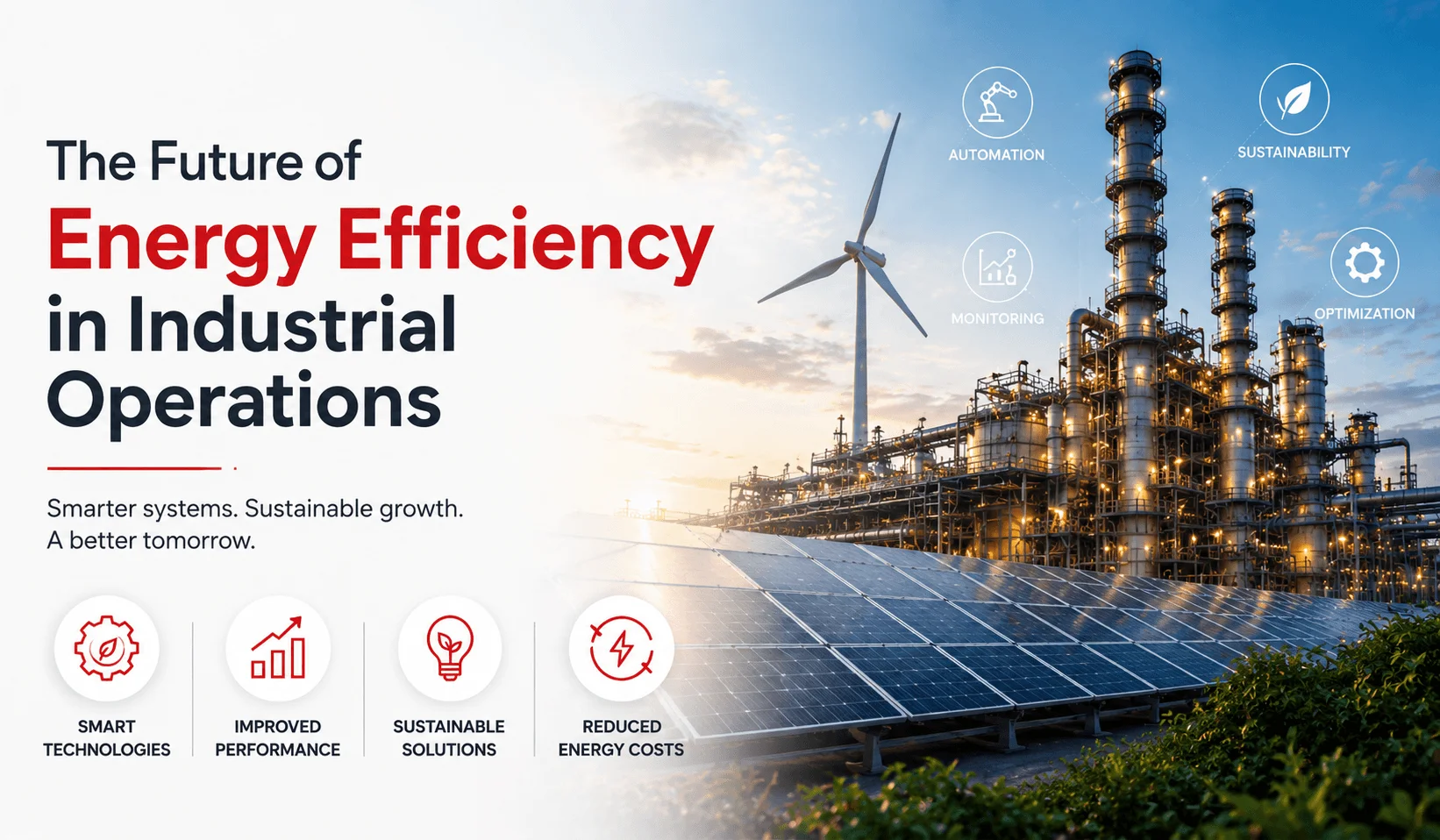
Industrial operations are evolving rapidly as businesses seek smarter ways to reduce energy consumption, improve productivity, and meet sustainability goals. Rising energy costs and increasing environmental awareness have encouraged industries to adopt advanced technologies that optimize resource utilization without compromising performance. Among the most promising innovations driving this transformation is the Heat Pump, a solution that offers efficient thermal energy management across various industrial applications.
Why Energy Efficiency Has Become a Strategic Priority
Energy efficiency is no longer viewed solely as a cost-saving measure. It has become a critical component of long-term operational planning. Industries that improve efficiency often experience reduced operating expenses, enhanced equipment reliability, and better compliance with environmental regulations.
Several factors are influencing this shift:
- Increasing energy prices
- Stricter environmental standards
- Growing demand for sustainable manufacturing
- Pressure to reduce carbon emissions
- Need for improved operational resilience
Organizations are now investing in technologies that deliver measurable energy savings while supporting production goals.
The Role of Advanced Thermal Technologies
Heating and cooling processes account for a significant portion of industrial energy consumption. Traditional systems often rely on direct fuel combustion, which can result in energy losses and higher emissions.
Modern thermal solutions are designed to recover, transfer, and reuse energy more effectively. A leading heat pump manufacturer in India can contribute to this transition by developing systems that capture ambient or waste heat and convert it into usable thermal energy. This approach minimizes energy wastage and improves overall process efficiency.
Key advantages include:
- Lower energy consumption
- Reduced greenhouse gas emissions
- Consistent temperature control
- Improved operational efficiency
- Long-term cost benefits
As industries continue to modernize, thermal energy recovery technologies are expected to play an increasingly important role.
Digitalization and Smart Energy Management
The integration of digital technologies is reshaping industrial energy management. Smart monitoring systems provide real-time insights into energy usage patterns, helping organizations identify inefficiencies and optimize operations.
Sustainable Water Heating Solutions for Industry
Water heating is a critical requirement in numerous industrial sectors, including food processing, pharmaceuticals, hospitality, textiles, and manufacturing. Traditional heating systems often consume large amounts of electricity or fuel, contributing to higher operating costs.
Modern Heat Pumps Water Heater systems provide a more energy-efficient alternative by transferring heat rather than generating it directly. This process significantly reduces energy demand while maintaining reliable hot water availability.
Industries are increasingly adopting these solutions because they offer:
- Lower operating costs
- Reduced carbon footprint
- Consistent hot water supply
- Enhanced system longevity
- Improved environmental performance
As sustainability becomes a central business objective, efficient water heating technologies are expected to gain wider acceptance across industrial facilities.
Emerging Trends Shaping the Future
The future of industrial energy efficiency will be influenced by several technological and operational trends. Organizations that adapt early may benefit from greater competitiveness and resource optimization.
Some key developments include:
- Increased adoption of renewable energy integration
- Greater use of energy recovery systems
- Expansion of smart manufacturing practices
- Deployment of AI-driven energy optimization tools
- Enhanced focus on carbon reduction initiatives
These advancements are creating opportunities for industries to achieve higher efficiency levels while supporting broader sustainability objectives.
Conclusion
The future of industrial operations will depend heavily on the ability to use energy more efficiently while maintaining productivity and sustainability. Advanced thermal technologies, digital monitoring systems, and intelligent resource management strategies are helping industries achieve these goals. As businesses continue exploring innovative solutions, organizations associated with Heat pump companies in Ahmedabad, including SunTecenergy, reflect the growing focus on technologies that support efficient and responsible energy utilization across industrial environments.
Frequently Asked Questions
1. Why is energy efficiency important in industrial operations?
Energy efficiency helps reduce operational costs, improve productivity, lower emissions, and support compliance with environmental regulations.
2. How do modern thermal systems improve industrial performance?
They recover and utilize energy more effectively, reducing waste and lowering overall energy consumption while maintaining process reliability.
3. What role does digital technology play in energy management?
Digital systems provide real-time monitoring, predictive maintenance capabilities, and data-driven insights that help optimize energy usage.
4. Are energy-efficient water heating systems suitable for large industries?
Yes. They can support high-volume hot water requirements while consuming significantly less energy compared to conventional systems.
5. What trends will define the future of industrial energy efficiency?
Renewable integration, automation, energy recovery technologies, artificial intelligence, and smart manufacturing practices are expected to drive future advancements.

No comment